
Chemical Peels
In Carlsbad

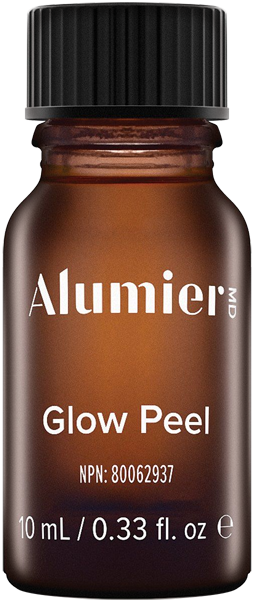
Alumier Peels
What are Chemical Peels?
A chemical peel, also called chemexfoliation or derma-peeling, is a cosmetic treatment most often performed on the face, neck, décolleté, back, and hands to remove layers of damaged skin. Chemical peels are treatments that use a chemical solution to intentionally damage and exfoliate the skin to improve its texture and appearance. Old skin layers peel off to be replaced by new, healthy skin. The treatment accomplishes this by disrupting the bonds between dead skin cells and speeding up the skin cells’ turnover rate, increasing collagen production, and improving skin firmness. The purpose of a chemical peel is to enhance the skin by minimizing or correcting different skin problems such as fine lines, skin discoloration, preventing acne breakouts, and fades acne scars. There are different types and strengths of chemicals peels that can remedy a variety of skin problems. Give our office a call to make an appointment to see which chemical peel is right for you.
Chemical Peel Process
For best results, it’s best to avoid prolonged sun exposure.
1-Week Before
Leading Up
One week before your chemical peel, it’s best to avoid waxing, electrolysis, microdermabrasion, injectables, laser treatments, depilatory creams, exfoliating products, shaving the area to be treated, or any products that may dry or irritate the skin like salicylic acid, certain prescription medications, alpha hydroxy acids, hydroquinone, retinoids, and vitamin C. Before discontinuing, let our office know if you are taking any prescription medications.
Day of Treatment
The Big Day
Your skin may look and feel like a mild sunburn after your chemical peel, with possible itching, stinging, redness, heat, and tightness for a few days. Wait at least 24 hours after treatment to wash your face or to apply any makeup. Make sure to use a gentle, soap-free cleanser and do not scrub or use a washcloth.
48 Hours After Treatment
Immediately After
Your skin may begin to flake for 3-5 days. If this happens, it’s okay to apply a moisturizer. We will recommend an Alumier-branded moisturizer that collaborates with your peel. It should be applied at least twice a day or more as needed to decrease the appearance of flaking skin. If using your own moisturizer, avoid products containing anti-aging ingredients during the peeling process.
Stay cool. Any heat may cause hyperpigmentation. Avoid hot showers, hot tubs, steam rooms, saunas, hot or Bikram yoga, activities that would cause excessive sweat, hair dryers, etc. Because your skin is sensitive, avoid loofahs, facial brushes, or other exfoliating devices. Stay out of the pool and do not apply ice or ice water to the treated area.
3-7 Days After Treatment
After Care
To maximize results and minimize side effects, we recommend using an Alumier post-procedure cream.
Up to 2-Weeks After Treatment
Two Weeks IN
Avoid direct sun exposure and excessive heat. Apply sunscreen with an SPF 30 or more. Do not go to a tanning bed. We ask our patients to avoid this practice because of the increased risks of skin cancer and the accelerated signs of aging.
Do not pick, pull, peel, or scratch the treated area or any loosening skin. Doing so could damage your skin and cause hyperpigmentation and scarring.
Until the healing process is complete, avoid any chemical peels or treatments that could jeopardize your procedure.
2-Weeks After Treatment
the results are In
After the peeling process is complete, you may resume your normal skin care regimen. Make sure to discuss your beauty routine with one of our aestheticians or trained skin care professionals. Not every patient will have noticeable peeling. Each chemical peel is different and a lack of peeling is not indicative that your peel did not work. You should still experience the benefits of collagen stimulation; improvement in skin tone and texture; and diminished appearance of fine lines and pigment. If you have any concerns, please don’t hesitate to call our office.
How Does IT Work?
What Not to Peel
Cost of Chemical Peels
Chemical Peel Benefits
Smooth Facial Lines
Smooth Skin Tones


Reduce/Eliminate Acne
Rehydrate & Foster Healthy Skin
Sun Damage
Peel Away Years of Aging

Chemical Peel FAQ
All About Chemical Peels
Why chemical peels are a great way to enhance your skin.
About Chemical Peels
Okay, I'm ready for younger, radiant-looking skin.
Chemical Peel Concerns
Precautions to consider when getting a chemical peel.
All About Chemical Peels
All About Chemical Peels
Why chemical peels are a great way to enhance your skin.
Chemical peels are skin treatments that use a chemical agent to create a controlled wound to remove the skin’s superficial layers. Treatments promote healthy skin regrowth and improve hyperpigmentation, fine lines, wrinkles, acne, and uneven skin texture.
A chemical peel treatment’s success should not be judged based on your body’s ability to go full reptilian. Some patients might not even peel, and that’s ok; the amount of excess skin shed will vary from person to person but always in an accelerated fashion. In the end, everyone will see improvements in tone, texture, lines, pigmentation, or breakouts.
About Chemical Peels
About Chemical Peels
Okay, I'm ready for younger, radiant-looking skin.
Chemical peels go after a host of skin issues. People suffering from sun damage, melasma, fine lines, breakouts, enlarged pores, uneven texture, wrinkles, and PIH (post-inflammatory hyperpigmentation) can benefit from a chemical peel.
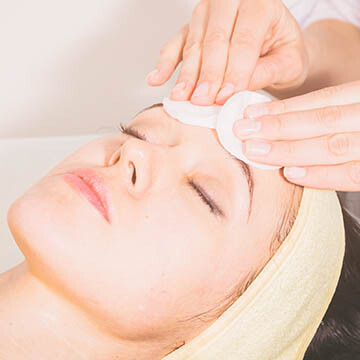
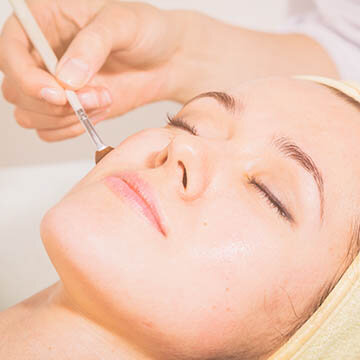
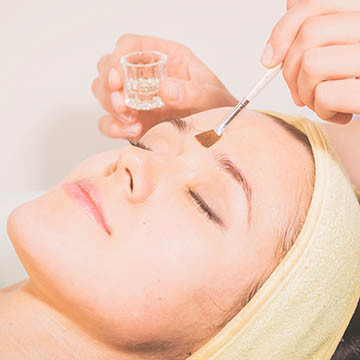
Your skin will be cleansed of any surface dirt and oils. After the skin has been thoroughly cleaned, a chemical agent will be applied and allowed to remain on your skin for 3–5 minutes. Most patients will experience a slight tingly sensation during this period. Once your skin has been brought back to a neutral state, a nutrient-rich serum will be applied to feed new skin growth and reduce symptoms of redness, heat, or peeling.
There is no specific time set in stone that a chemical peel will last. Each person’s skin will continue to age at a different speed. People with more severe cases like excessive sun damage will likely continue to see new spots as dermal layers turn over.
Your skin treatment’s full result will be realized upon completion of its healing cycle. Healing time is dependent on the type of chemical peel applied. Healing time ranges from 1-14 days. Ask your clinician what kind of peel is right for your skin condition.
Because everyone’s skin heals at a different pace, it’s best to consult your aesthetician. You can generally have a light peel every two to five weeks and a little longer for medium peels. Deep peels should be spaced at least 1–3 years apart.
Chemical peel patients should only wash their face with mild cleansers and avoid using washcloths or any other abrasive cleaning products while healing. Make certain to wear sunblock daily with an SPF 30 or greater. Prolonged sun exposure should also be avoided for at least one week post-procedure. Apply a hydrating moisturizer twice per day or as often as necessary to relieve dryness and peeling.
Immediately after a chemical peel, the patient’s skin may feel a little tacky and have a yellowish-orange tinge that subsides as your skin neutralizes. It is important not to wash your skin for six hours after treatment. Washing your face too early will affect your results. Some patients may experience some temporary redness.
Most patients report peeling 2–3 days after treatment and can expect it to last up to 5 days. It is essential that you don’t peel your skin away manually. Prematurely removing peeling skin can result in raw skin exposure that could develop undesirable pigmentation issues and scarring.
One week before treatment, avoid waxing, depilatory creams, electrolysis, and laser hair removal procedures. Three days before treatment, discontinue the use of prescription topicals like Retin-A, Differin, or Tazorac as well as any products that actively contain retinol, alpha hydroxyl acids (AHA), beta hydroxyl acids (BHA), or benzoyl peroxide. If you are experiencing any skin sensitivity, you should avoid chemical peels as well.
Medium or deep chemical peels will require some downtime. Deep peels may require a little extra care for recovery up to 3 weeks. Avoid heat and sun exposure while the skin is healing. Three to five days post-treatment, you need to avoid bringing your body’s core temperature up. Heavy sweating or strenuous activity should be avoided as it can cause excessive exfoliation.
Chemical Peel Concerns
Chemical Peel Concerns
Precautions to consider when getting a chemical peel.
Pregnant or nursing mothers, people with allergies to Aspirin, individuals with compromised skin conditions such as sunburn, eczema, psoriasis, or sensitive skin aren’t candidates for chemical peels. Others with serious medical conditions like diabetes, heart conditions, or immune disorders should also avoid chemical peels. Individuals shouldn’t seek out chemical peels if they have recently had laser skin treatments or have used Accutane within the last year.
You’ll want to avoid sweating during the first day following a chemical peel. Sweat can adversely affect the results of your peel. You may resume your regular routine the following day.
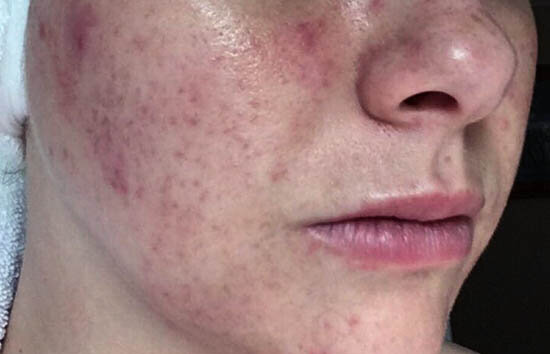
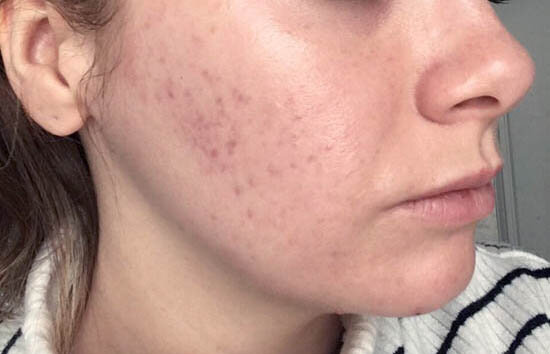
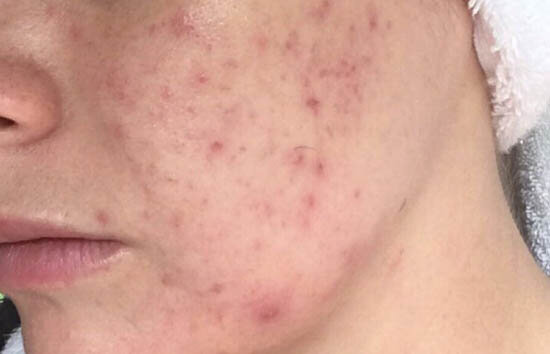
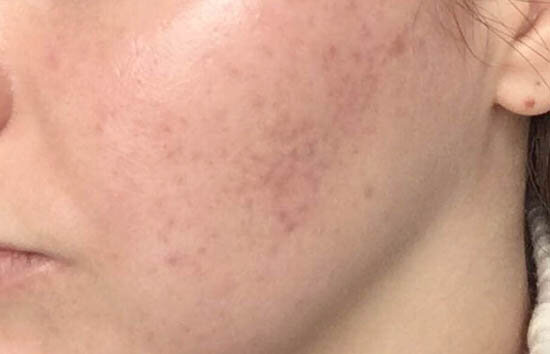
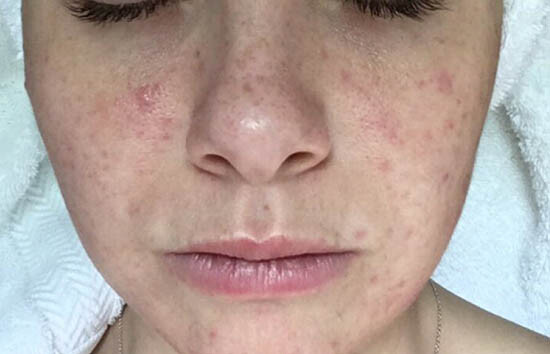
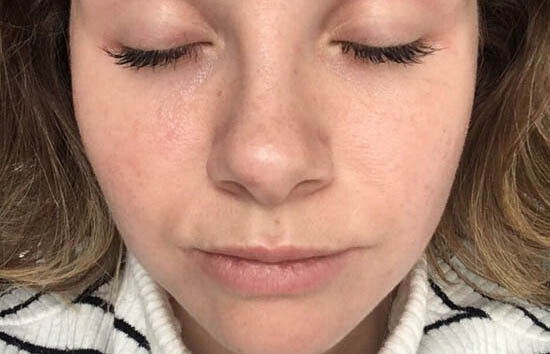
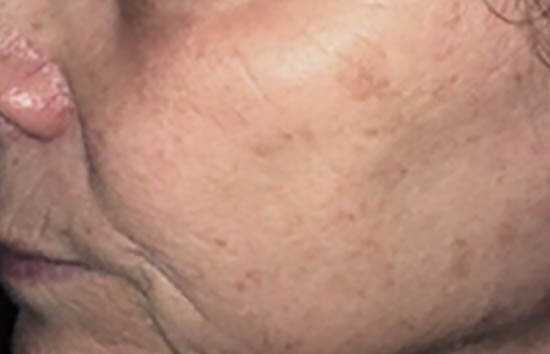
Before & After A Chemical Peel
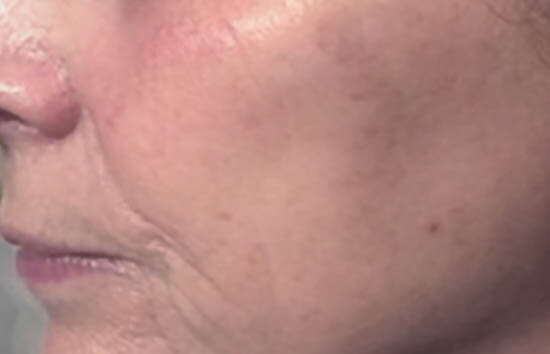
 COMMON CHEMICAL PEEL USES
Common chemical peel ingredients include alpha-hydroxy acids (AHAS), comprised of glycolic acid (derived from sugar cane), lactic acid (derived from milk), malic acid (derived from apples and pears), tartaric acid (derived from grapes), and mandelic acid (derived from almonds); salicylic acid (aspirin family), a beta-hydroxy acid (BHA); trichloroacetic acid (TCA); and retinol to give a boost of collagen. With a series of regular sessions, mild or superficial peels are beneficial with little to no downtime or irritation. Similar to chemical peels, enzyme peels use fruit enzymes to improve skin texture and appearance. Medium peels treat more noticeable skin texture and tone issues with mild redness and irritation. Deep chemical peels made from resorcinol, lactic, salicylic, or a combination of these acids are great at treating deep wrinkles, lines, acne scars, and more severe skin damage. Combining regular peel sessions and a prescribed home skincare program will provide the best results.
COMMON CHEMICAL PEEL USES
Premier Medical Aesthetics
About Our Office
Getting Here
Located in the medical building across from Sprout’s Market, our office is conveniently located on the corner of Camino De Los Coches and Rancho Santa Fe Road in Carlsbad’s La Costa area. With convenient, off-street parking, both local and visiting patients will find a spot. To schedule an appointment, give our office a call.