
Fractional
Laser Resurfacing

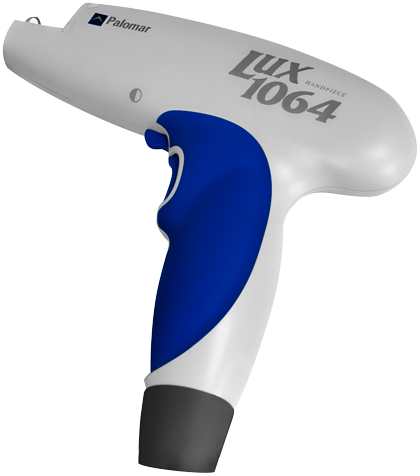
Palomar Icon
Fractional Laser Resurfacing
What Is Fractional Laser Resurfacing?
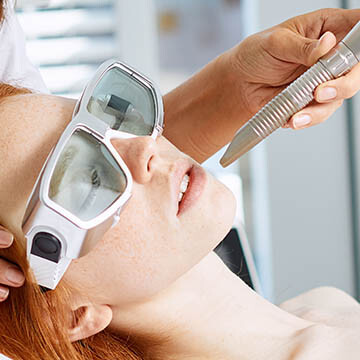
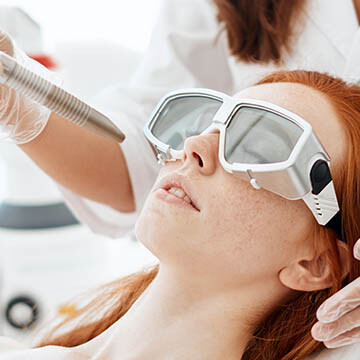
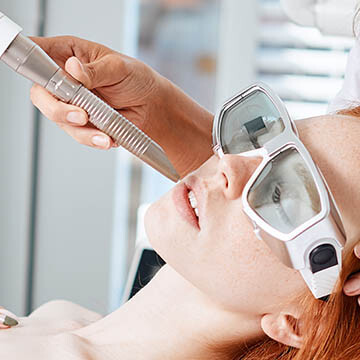
As you age, skin inevitably develops pigmentation, fine lines, wrinkles, scarring, and other textural changes. Fractional laser treatments are a safe, non-invasive procedure that improves fine lines, pores, wrinkles, brown spots, and tightens the skin. Fractional lasers “fractionate” or break up the beam, hitting the skin in a pixelated pattern, creating columns that receive a dose of light while others go untouched. Using two different wavelengths (1550 and 1927), the energy from the laser thermally destroys old, damaged skin, which stimulates the growth and replacement with new, healthy skin. The 1550 wavelength targets skin’s texture (wrinkles, fine lines, stretch marks, acne scars, and scarring from previous wounds or surgeries) while the 1927 wavelength lifts discoloration (age spots, sun damage, hyperpigmentation, and unwanted freckles) to encourage new collagen and elastin growth.
Fractional Laser Resurfacing Process
2-Weeks Before Treatment
WHAT TO AVOID
1-Week Before Treatment
LET US KNOW
Procedure Day
SET YOUR PHASER TO WOW
During Procedure
PREPARATION
1-2 Hours After Procedure
IMMEDIATELY AFTER
24-Hours After Procedure
THE FIRST DAY
2-3 Days After Procedure
IT’S NORMAL
4 Days After Procedure
DO NOT PICK OR SCRUB
8-12 Weeks After Procedure
THE RESULTS ARE IN
2-6 Months After Procedure
PROTECT YOUR SKIN
How Does Fractional Laser Resurfacing Work?
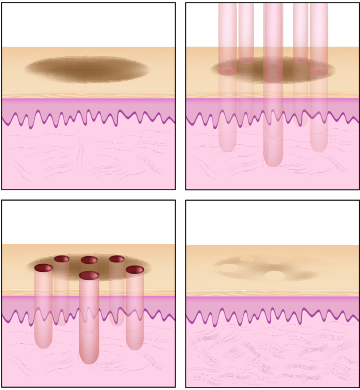
Fractional lasers are non-ablative lasers, meaning they don’t remove any skin layers. As a non-invasive treatment, they’re especially useful for treating rosacea, spider veins, pigmentation, and acne scarring. The skin structure is divided up into three layers, the epidermis (top layer), the dermis (mid-layer), and the subcutis (lower fat layer). The epidermis contains any pigment-producing cells, while the dermis is composed of collagen and elastin fibers that provide elasticity. Fractional laser treatments target the epidermis and dermis layers to treat skin tone and texture issues that contribute to age spots, sagging skin, facial lines, and wrinkles.
The laser beam is divided into thousands of microscopic beams focused on treatment zones, or also called microthermal treatment zones, that target a “fraction” of the skin at one time. Surrounded by healthy tissue, old cells are expelled, which leads to a boost in collagen production. People with lighter skin tones are good candidates because they have a reduced risk of hyperpigmentation.
How Do Fractional Lasers Compare To IPL?
Cost of Fractional Laser Resurfacing
Fractional Laser Treatments

Pigmentation
Scarring
Fine Lines & Wrinkles

Fractional Laser Resurfacing FAQ
Getting To Know Fractional Laser Resurfacing
Why Laser Resurfacing therapy is so amazing!
Information About Fractional Laser Resurfacing
Okay I'm ready for smoother skin without uneven tone.
Fractional Laser Resurfacing Precautions
Concerns you might have about Laser Resurfacing.
Getting To Know Fractional Laser Resurfacing
Getting To Know Fractional Laser Resurfacing
Why Laser Resurfacing therapy is so amazing!
Fractional Laser treatments use laser light to remove outer layers of damaged skin to stimulate healthy new skin growth. Laser resurfacing treats texture, tone, wrinkles, sun damage, and scarring.
Intense light beams create heated columns in the outer dermal layers to stimulate collagen production. This boost in new collagen strengthens skin while evening out skin texture softening wrinkles, scarring, and other surface issues.
Time will vary depending on the region being treated. You can expect to spend at least an hour during your visit comprised of checking in, anesthetic application, procedure, and post-treatment care.
Information About Fractional Laser Resurfacing
Information About Fractional Laser Resurfacing
Okay I'm ready for smoother skin without uneven tone.
Yes! We will discuss your skin and how other treatments like Botox and Fillers can complement laser resurfacing during your consultation. We will design a full treatment plan with timelines for you to achieve your goals.
Patients can expect the treated area to heal in about two weeks. Post-treatment care will be essential to your treatment’s success and healing time. In the first three days, avoid using any skincare products and cleanse your skin with cool to luke-warm water; after day three, hydrate skin with a moisturizer that won’t irritate. If you need assistance choosing a moisturizer, consult your clinician for recommendations.
It is not uncommon for clients to only require a single laser treatment. But everyone has a unique skin profile and may require multiple sessions to treat deeper wrinkles and more severe scarring.
Full results will be realized 3–6 months down the road, but you will likely start to notice improvements in skin texture and tone three weeks post-laser treatment.
Fractional Laser Treatments require minimal downtime. During the first ten days, your skin will experience some redness and mild swelling followed by minor peeling and flaking. You will likely want to stay home during that time. After that, you will experience some pinkness while your skin continues to heal. Be sure to wear sunscreen and limit sun exposure in the coming months for the best results.
Over the first three days, it is essential to avoid skincare products and cleanse your face with cool or luke-warm water. Do not use abrasive scrubs, wash rags, or any other harsh cleaning products while your skin is healing. Be sure to use a full-spectrum sunscreen and a hypoallergenic moisturizer to hydrate your skin. Discuss any questions you have on safe skincare products with your clinician. They will also review a post-procedure recovery plan for you.
Neither is better than the other; each procedure is dependent on your unique skin profile. Lasers are more powerful and can treat more severe skin conditions but do require a much longer recovery time. During your consultation, we will discuss the right treatment for your skin type.
Fractional Laser Resurfacing Precautions
Fractional Laser Resurfacing Precautions
Concerns you might have about Laser Resurfacing.
We don’t recommend that people with ongoing health problems get laser skin treatments. People that have trouble with healing, abnormal scarring, or bleeding disorders should also avoid fractional laser procedures. Individuals should be Accutane-free for a year before attempting treatment. Pregnant and breastfeeding women are also not candidates for skin resurfacing.
It isn’t uncommon for some patients to experiences minor swelling and redness post-treatment. In some cases, people have also experienced mild acne breakouts.
Before & After
Fractional Laser Resurfacing
 COMMON LASER RESURFACING USES
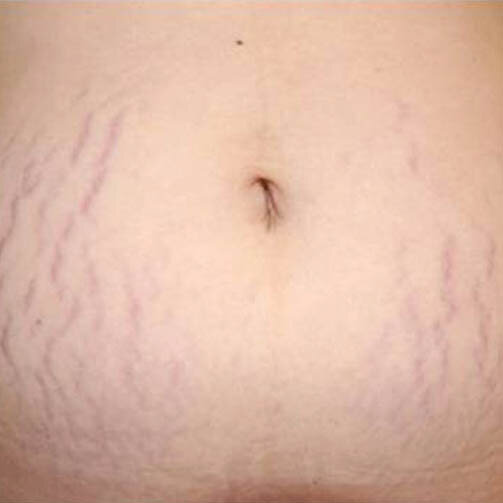
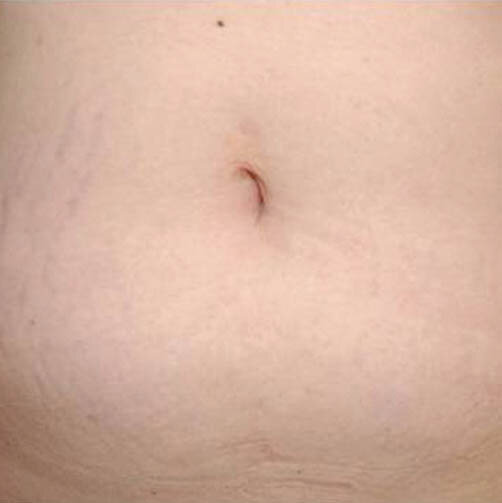
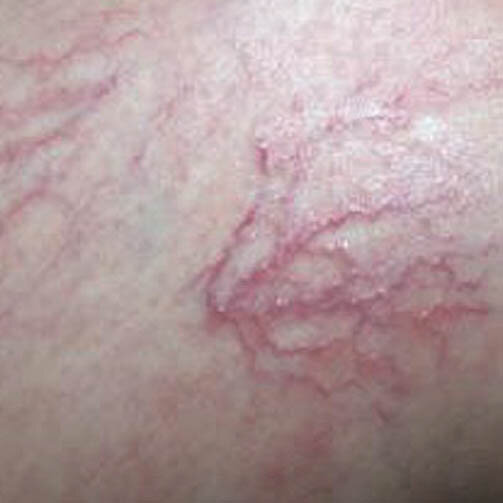
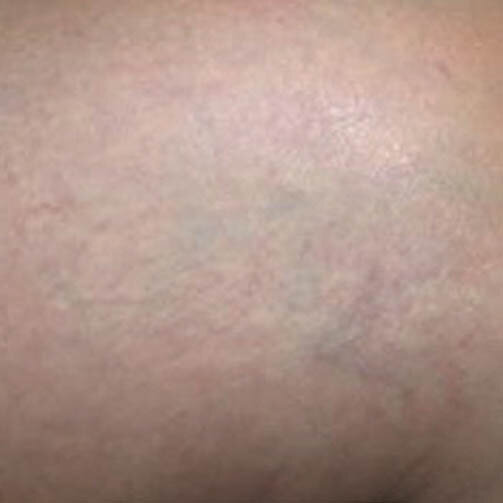
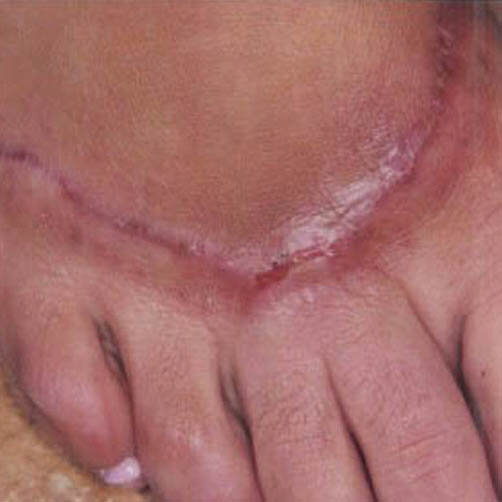
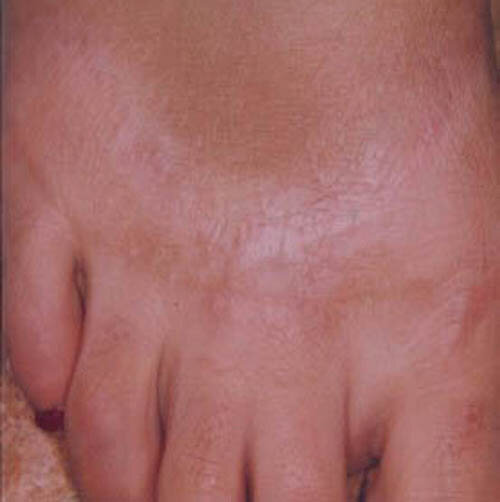
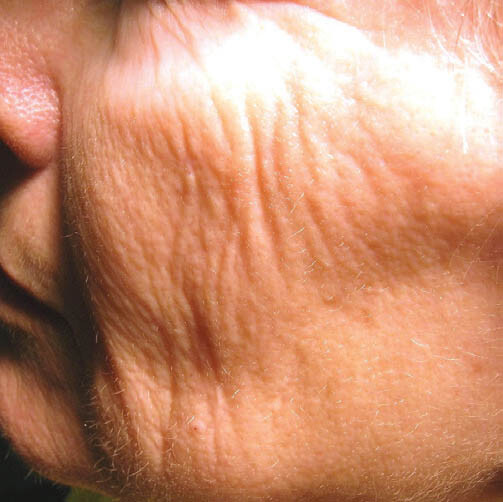
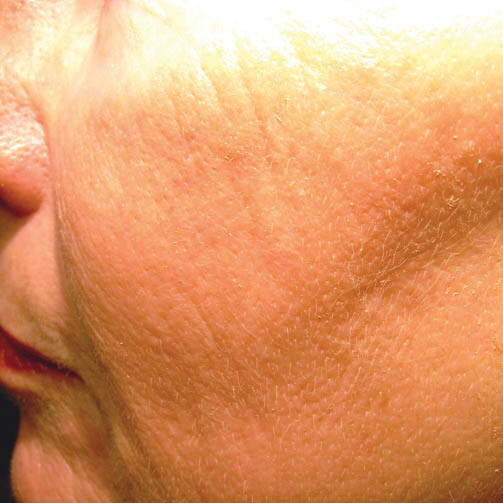
Fractional Lasers can be used on almost any part of the body, most commonly on the face, neck, chest, and hands. It is also used on the arms, legs, and back. Fractional laser resurfacing helps with texture issues and reduces the appearance of sun damage, skin pigmentation associated with photoaging (skin damage caused by UV rays), facial lines and wrinkles, surgical scars, acne scars, and stretch marks. During the recovery process, collagen's supporting structure is remodeled with the addition of new collagen cells, replacing old, damaged ones. This boost of development helps improve and tighten loose or sagging skin.
COMMON LASER RESURFACING USES